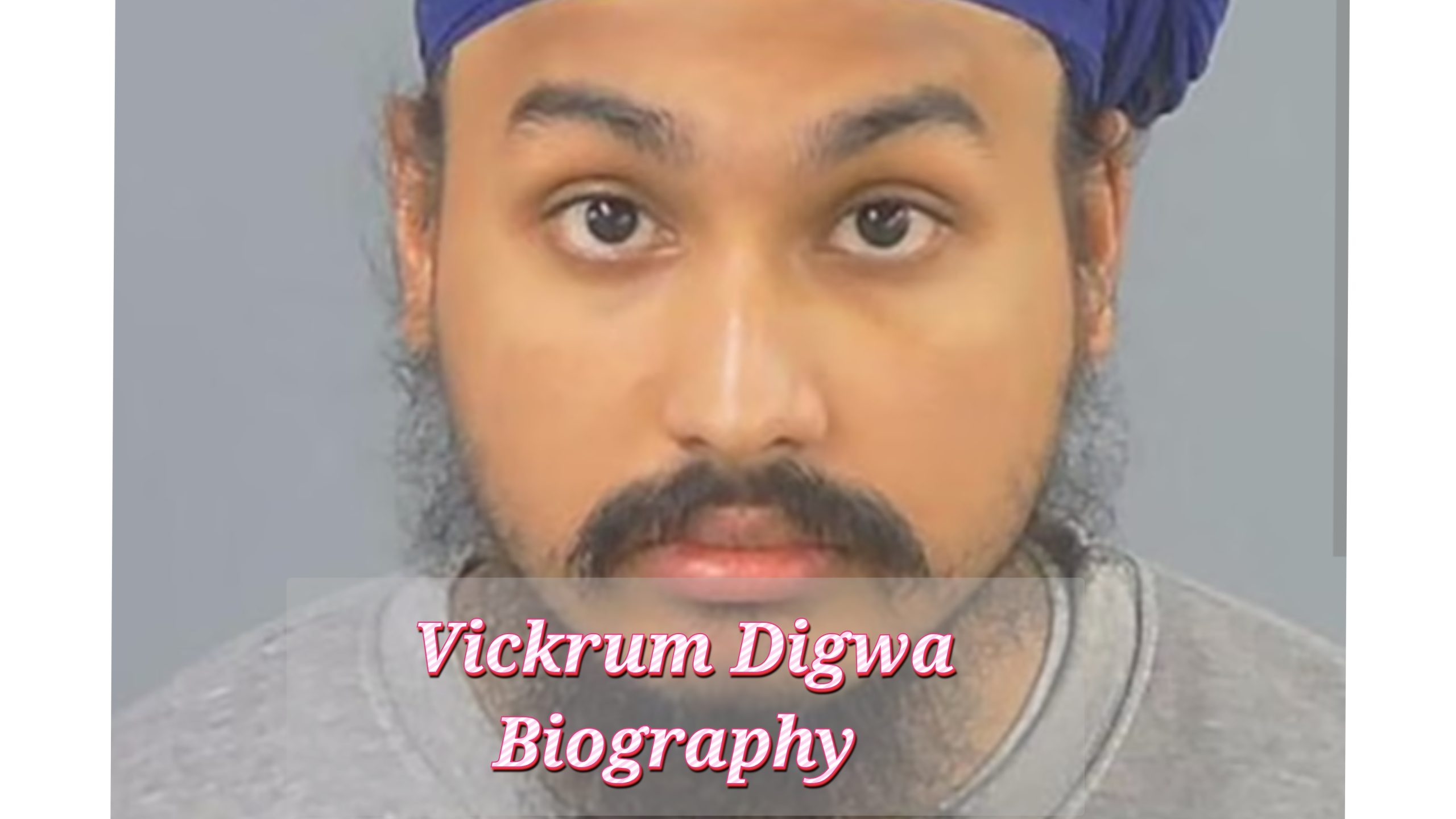
Vickrum Digwa Biography
Vickrum Digwa is a British national convicted of the murder of 18-year-old university student Henry Nowak in Southampton, England, in December 2025. Born in the United Kingdom to a Sikh family, Digwa gained public attention following his arrest, trial, and sentencing for the fatal stabbing. The case drew significant media coverage due to the circumstances of the attack, Digwa’s claims of self-defense involving allegations of racial abuse, and subsequent questions about police response at the scene.
The incident occurred as Nowak was walking home after a night out. Digwa, who carried a large blade, stabbed the victim multiple times. He was convicted of murder in May 2026 and sentenced to life imprisonment with a minimum term of 21 years. The case also involved his mother, Kiran Kaur, who was convicted of assisting an offender.
Vickrum Digwa Early Life and Background
Vickrum Digwa was born in the United Kingdom around 2002 or 2003, making him 22 years old at the time of the incident in December 2025 and 23 during his sentencing in 2026. He grew up in Southampton as part of a Sikh family. Details about his early childhood remain limited in public records, but reports indicate he lived with his family in the area, including on St Denys Road.
As a British Sikh, Digwa was familiar with Sikh traditions and carried ceremonial items associated with the faith. Court proceedings highlighted that he possessed both a small kirpan worn under his clothing, consistent with religious practice for some initiated Sikhs, and a much larger 21cm blade that he used in the attack. Prosecutors described him as having a “weapons obsession,” with more than 20 weapons later found at the family home.
Little public information exists about his schooling or teenage years prior to the events of late 2025. He had no previous criminal convictions before the murder charge, which the defense noted during sentencing. Digwa lived locally in Southampton and was part of the broader British Sikh community in the region.
Vickrum Digwa Education
Specific details regarding Vickrum Digwa’s formal education are not extensively documented in available public sources. He resided in Southampton and appears to have been integrated into local life as a young adult. No university attendance or higher education achievements are prominently reported in connection with his background. Reports from the trial focused primarily on his actions in December 2025 rather than academic or professional history.
Vickrum Digwa Career
Prior to December 2025, Vickrum Digwa did not have a notable public career in entertainment, music, arts, or other high-profile fields. Available information portrays him as a local resident without recorded professional achievements in singing, acting, filmmaking, or similar domains. Court documents and media coverage emphasized his everyday life in Southampton rather than any occupational or creative pursuits.
No albums, songs, movies, or artistic works are associated with him. His public profile emerged solely from the criminal case.
Vickrum Digwa Achievements
Vickrum Digwa had no widely recognized achievements in professional, academic, or community spheres before the 2025 incident. The absence of prior convictions was mentioned in court as a mitigating factor, but this does not constitute a positive achievement in the conventional sense. Post-incident developments relate entirely to legal proceedings rather than accomplishments.
Vickrum Digwa Personal Life
Vickrum Digwa comes from a Sikh family residing in Southampton. His mother, Kiran Kaur, aged 53 at the time of proceedings, was involved in the aftermath of the incident and convicted of assisting an offender for allegedly hiding the weapon used in the attack. Reports also mention family members, including his father and brother, facing separate weapons-related matters in court following the main sentencing.
Digwa identified with Sikh religious practices, particularly in relation to carrying blades. During the trial, he claimed the larger knife had significance tied to his faith, though the Sikh community and prosecutors distinguished it from the standard small kirpan. Family statements issued through community representatives expressed sorrow for the pain caused.
His personal life before the murder remained private, with no public details on relationships, hobbies beyond reported interest in weapons, or other aspects emerging strongly in coverage.
The Incident and Legal Proceedings
On the night of December 3, 2025, in the Portswood area of Southampton, 18-year-old Henry Nowak, a first-year finance student at the University of Southampton, was walking home alone after spending time with friends and football teammates. He encountered Vickrum Digwa. A confrontation ensued, during which Digwa stabbed Nowak five times, including wounds to the chest, face, and legs. The fatal injury was to the chest.
Digwa contacted emergency services and told officers that Nowak had racially abused him, knocked off his turban, and acted aggressively. Based on this account, police initially handcuffed the injured Nowak as he lay bleeding and pleading that he had been stabbed and could not breathe. Body-worn camera footage later played a significant role in the trial. Nowak died at the scene despite efforts to save him.
Digwa handed the knife to his mother, who was later convicted for her actions in removing it from the scene. Police recovered the weapon along with numerous others at the family home. The prosecution argued the racism claim was a “wicked lie” and that Digwa had a weapons obsession. The defense maintained self-defense, stating Digwa feared for his safety.
The trial took place at Southampton Crown Court. On May 28, 2026, the jury convicted Digwa of murder and carrying a bladed article. Sentencing occurred on June 1, 2026. Judge William Mousley sentenced him to life imprisonment with a minimum term of 21 years, citing the premeditated nature of carrying the large blade, the false allegations against the victim, and the profound impact on Nowak’s family.
The case sparked broader discussions about knife crime, police handling of incidents involving claims of racial motivation, and the carrying of religious or ceremonial blades in public. The Sikh Federation and community representatives condemned the misuse of any blade and noted that the item used was not a standard kirpan. Investigations into the police response, including by the Independent Office for Police Conduct, followed.
Conclusion
Vickrum Digwa’s life story, as known publicly, centers on the tragic events of December 2025 and their legal consequences. From a young British Sikh man in Southampton with no prior convictions to a convicted murderer serving a life sentence, the case highlights complex issues around violence, truthfulness in police interactions, and community impacts. Henry Nowak’s family continues to grieve the loss of a promising young man whose life was cut short. The biography of Vickrum Digwa remains defined by this singular, devastating act and its repercussions for all involved.
FAQs
What is Vickrum Digwa known for?
Vickrum Digwa is known for his conviction in the murder of university student Henry Nowak in Southampton in 2025.
Where was Vickrum Digwa born?
He was born in the United Kingdom and is a British national who grew up in the Southampton area.
What was Vickrum Digwa’s sentence?
He received a life sentence with a minimum term of 21 years for murder, plus time for carrying a bladed article.
Did Vickrum Digwa have any prior criminal record?
No, court reports stated he had no previous convictions before this case.
What happened to Vickrum Digwa’s mother?
Kiran Kaur was convicted of assisting an offender for her role in handling the weapon after the incident.
Was the knife religious?
Digwa claimed it related to his Sikh faith, but he also carried a smaller kirpan. Prosecutors and Sikh community statements distinguished the large blade used as not fulfilling standard religious requirements.